
Many people experience facial redness, but not all redness is the same. While occasional flushing may be harmless, persistent redness can sometimes indicate an underlying skin condition such as rosacea.
Understanding the difference between rosacea and general redness is the first step toward finding the right treatment. At BYou Laser Clinic, we help patients address both concerns using advanced laser technology designed to target visible blood vessels, reduce redness, and restore a more even complexion.
What Is Facial Redness?
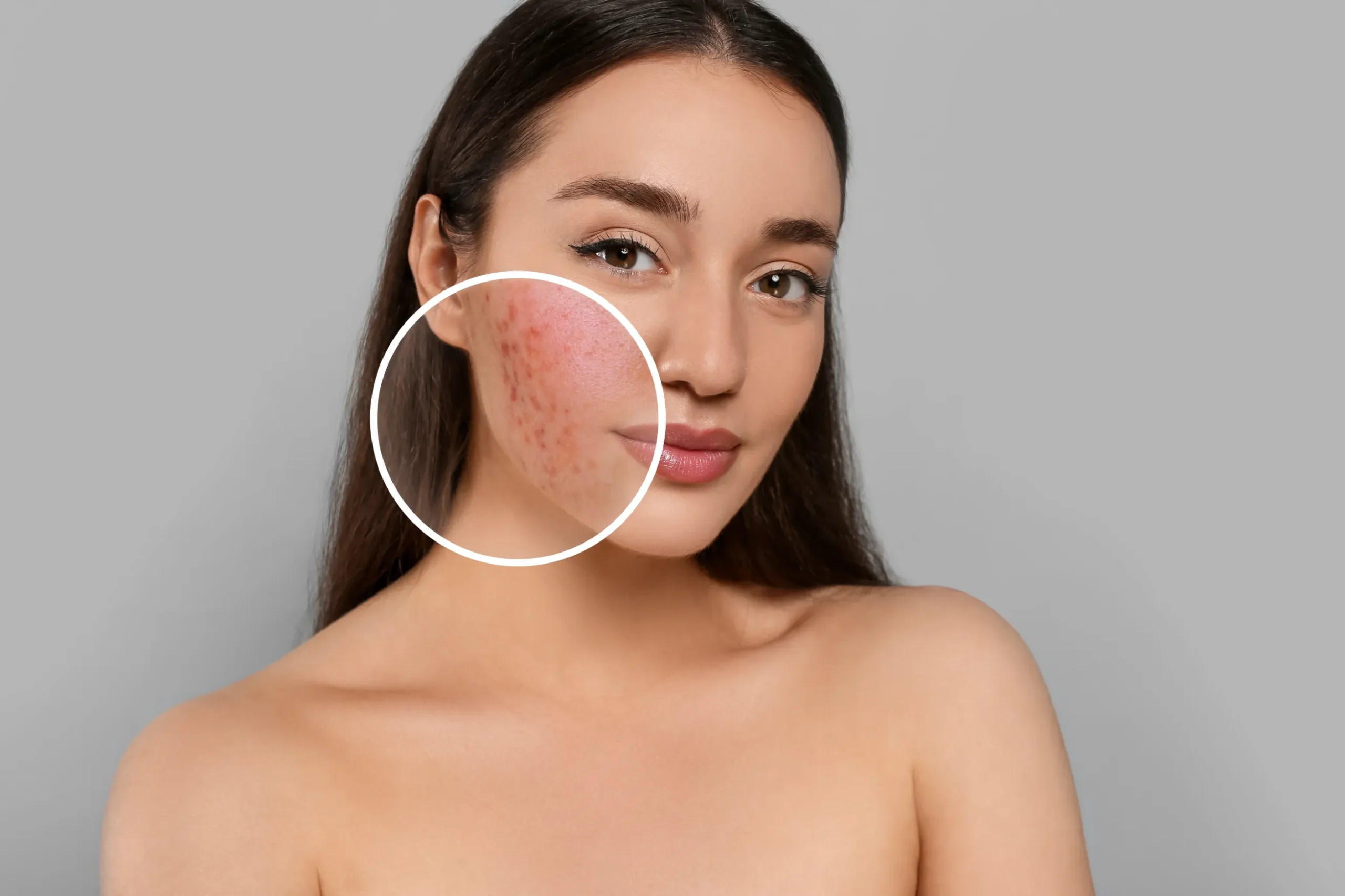
Facial redness can occur for many reasons, including:
- Sun exposure
- Sensitive skin
- Heat or temperature changes
- Exercise
- Alcohol consumption
- Certain skincare products
- Temporary irritation
In many cases, redness appears temporarily and fades on its own once the trigger is removed.
However, when redness becomes persistent or worsens over time, there may be a deeper cause.
What Is Rosacea?
Rosacea is a chronic inflammatory skin condition that primarily affects the face. It often develops gradually and may initially appear as frequent flushing before becoming more persistent.
Common symptoms of rosacea include:
- Persistent redness across the cheeks and nose
- Visible blood vessels
- Flushing episodes
- Skin sensitivity
- Small red bumps or acne-like breakouts
- Burning or stinging sensations
Rosacea most commonly affects the central face but can also involve the chin, forehead, and neck.
Unlike temporary redness, rosacea typically does not disappear without treatment.
Rosacea vs Redness: How to Tell the Difference
While both conditions can look similar, there are several key differences.
Temporary Redness
- Comes and goes
- Usually linked to a trigger
- May resolve within hours
- Often caused by irritation or environmental factors
Rosacea
- Persistent or recurring redness
- Visible blood vessels
- Frequent flushing episodes
- Increased skin sensitivity
- Can worsen over time if left untreated
If you’re unsure whether your redness is rosacea or simply reactive skin, a professional consultation can help identify the underlying cause.
Why Does Rosacea Cause Visible Blood Vessels?
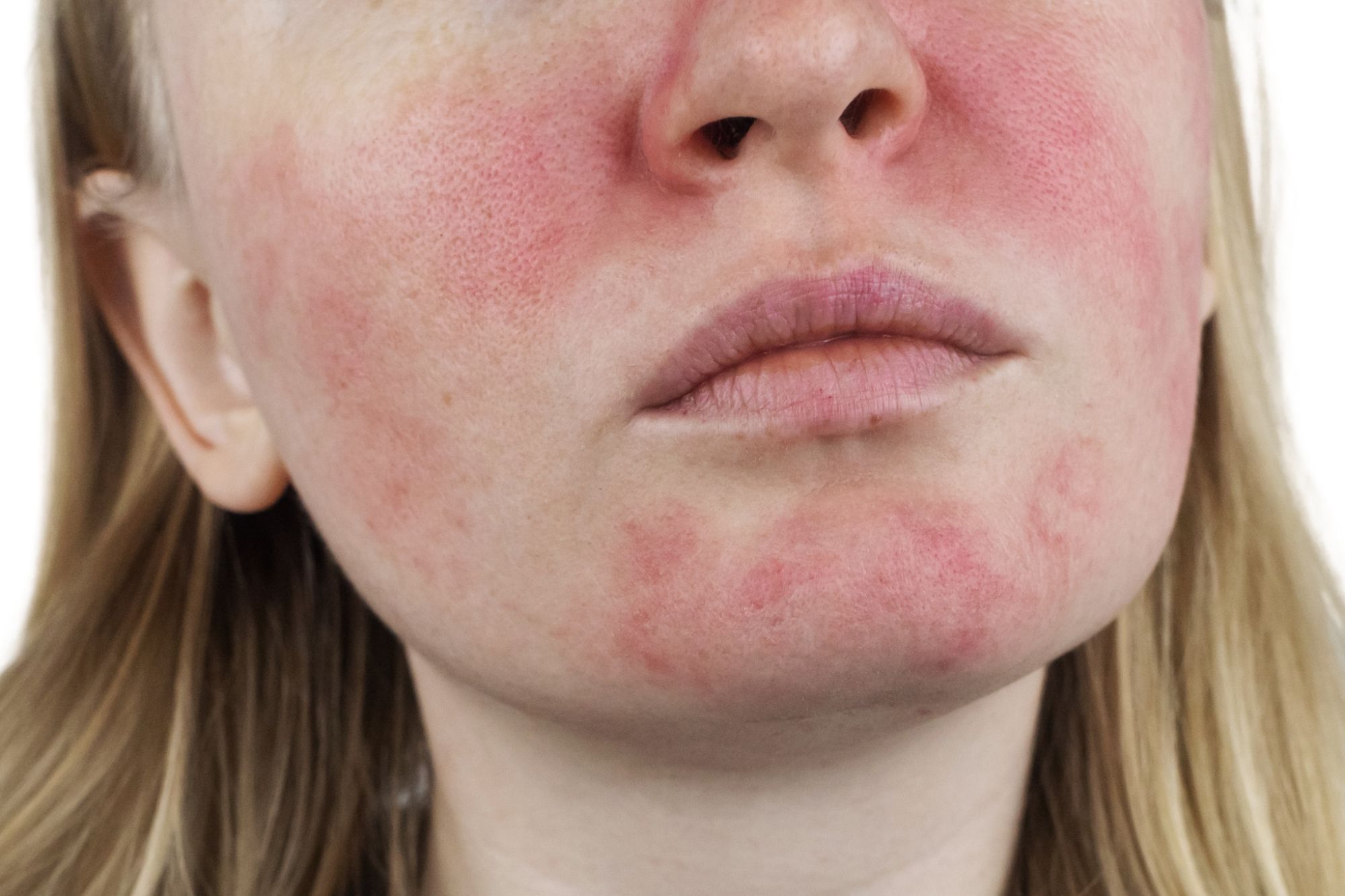
One of the hallmark signs of rosacea is the appearance of small, enlarged blood vessels near the skin’s surface.
These vessels remain dilated, causing the skin to appear red even when no obvious trigger is present. Over time, the redness may become more noticeable and difficult to conceal with skincare or makeup alone.
This is where laser treatments can be highly effective.
How Laser Treatments Help Rosacea and Facial Redness
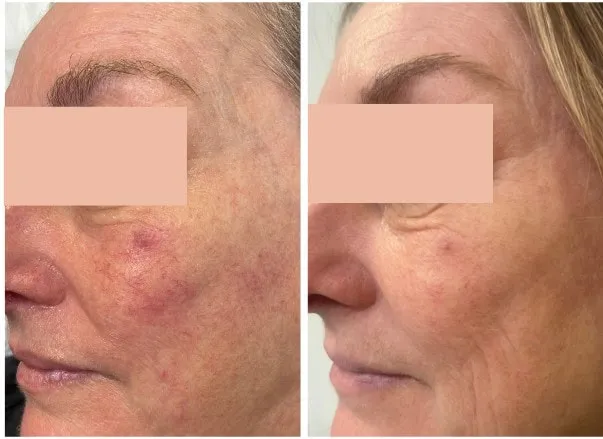
Laser treatments work by targeting visible blood vessels beneath the skin without damaging surrounding tissue.
The laser energy is absorbed by the blood vessel, causing it to gradually fade while allowing the body to naturally eliminate it over time.
Benefits of laser treatment include:
- Reduction of facial redness
- Less visible broken capillaries
- Improved skin tone
- More even complexion
- Reduced flushing appearance
- Minimal downtime
Many patients notice progressive improvement with a series of treatments.
Why Patients Choose BYou for Rosacea and Redness Treatments
At BYou Laser Clinic, we take a customized approach because every patient’s skin is different.
Our providers evaluate:
- Severity of redness
- Skin sensitivity
- Presence of visible blood vessels
- Skin type
- Treatment goals
This allows us to create a personalized treatment plan designed to deliver safe and effective results.
Patients choose BYou because we combine advanced laser technology with experienced providers who understand how to treat vascular concerns while protecting the health of the skin.
BYou Patient Outcome Snapshot: Rosacea & Facial Redness Treatments
To better understand treatment outcomes for rosacea and persistent facial redness, BYou Laser Clinic reviewed treatment records from 125 patients who completed a recommended laser treatment series between January 2025 and March 2026.
Key Findings
After completing their treatment plan:
- 89% reported a noticeable reduction in facial redness
- 84% reported fewer flushing episodes
- 81% reported improvement in overall skin tone
- 76% reported reduced visibility of broken capillaries
- 91% said they felt more confident without makeup coverage
Most Common Concerns Before Treatment
Patients sought treatment for:
| Concern | Percentage |
|---|---|
| Persistent Facial Redness | 92% |
| Rosacea Flare-Ups | 68% |
| Visible Blood Vessels | 61% |
| Flushing Episodes | 58% |
| Skin Sensitivity | 43% |
Average Treatment Series
Most patients completed:
- 3–5 laser treatments
- Treatments spaced 4–6 weeks apart
- Periodic maintenance sessions as needed
Patient Satisfaction
Among patients surveyed after completing treatment:
- 94% would recommend treatment to a friend or family member
- 88% said results met or exceeded expectations
- 86% reported feeling more comfortable in social situations
What This Means
While individual results vary, the review found that most patients experienced meaningful improvements in facial redness, visible blood vessels, and overall skin appearance after completing a customized treatment plan.
Source: Internal BYou Laser Clinic patient outcome review. Results are based on patient-reported outcomes and provider assessments. Individual results may vary.
Is Laser Treatment Right for You?
If you struggle with persistent facial redness, visible blood vessels, or rosacea symptoms, laser treatment may provide a solution that skincare products alone cannot achieve.
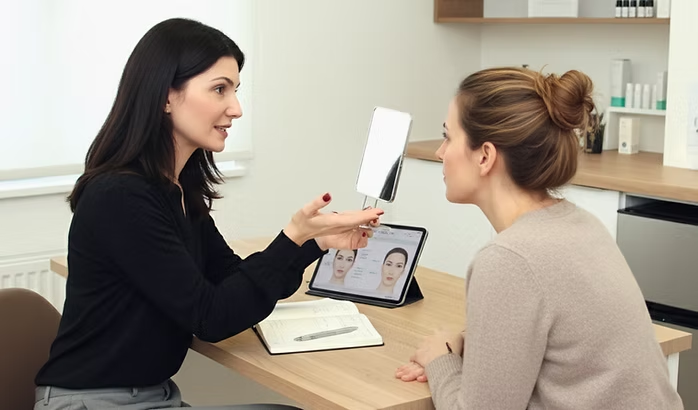
The best way to determine the right treatment approach is through a professional consultation.
At BYou Laser Clinic, we help patients address rosacea and facial redness with personalized treatment plans designed to improve skin tone, reduce visible vessels, and restore confidence in their skin.