Preparing for Your First Cosmetic Injection Experience
Perhaps you’ve observed it creeping in: a subtle slackening around the jaw, a bit more give beneath the eyes, or skin that simply lacks its former resilience. It’s a less obvious hallmark of aging, yet once it becomes apparent, it’s difficult to ignore.
The good news? You don’t need surgery to address it. Non-surgical skin tightening has come a long way in the last decade, and today’s treatments can deliver real, visible results without the recovery time, the risks, or the dramatic “done” look that many people want to avoid.
Here’s the lowdown on firming up facial skin: the methods that deliver results and what you can genuinely anticipate.
Why Facial Skin Loses Its Firmness

Before diving into the specifics of tightening treatments, it’s useful to grasp the underlying reasons for sagging skin.
Collagen is the primary suspect. It’s the structural protein that keeps your skin firm, smooth, and resilient. In your twenties, your body produces it steadily. But from your mid-to-late twenties onward, production begins to slow — and by the time most people are in their forties or fifties, the difference becomes visible.
Elastin — the protein responsible for your skin’s ability to “snap back” — also breaks down over time. The outcome is skin that feels less taut, loses its sculpted look, and develops wrinkles sooner.
Sun exposure, smoking, stress, and inadequate sleep can all speed this up considerably. Environmental factors are especially damaging, as UV rays degrade collagen far more quickly than the natural aging process.
Can You Really Tighten Skin Without Surgery?
Yes — and this often comes as a surprise. There’s a widespread assumption that if you want real results, you need a facelift. But surgical procedures aren’t the only way to firm up the skin.
Non-surgical skin tightening treatments work differently than surgery. Rather than physically pulling skin into a new position, they trigger your body’s own collagen production process. The skin rebuilds its natural support structure from within, which produces gradual tightening and improved elasticity over time.
The results aren’t instant — and they shouldn’t be. That gradual pace is actually what makes them look so natural. The change isn’t dramatic; instead, it’s a gradual refinement that often gives the impression of a well-rested, healthy individual.
The Most Effective Non-Surgical Skin Tightening Treatments
RF Microneedling
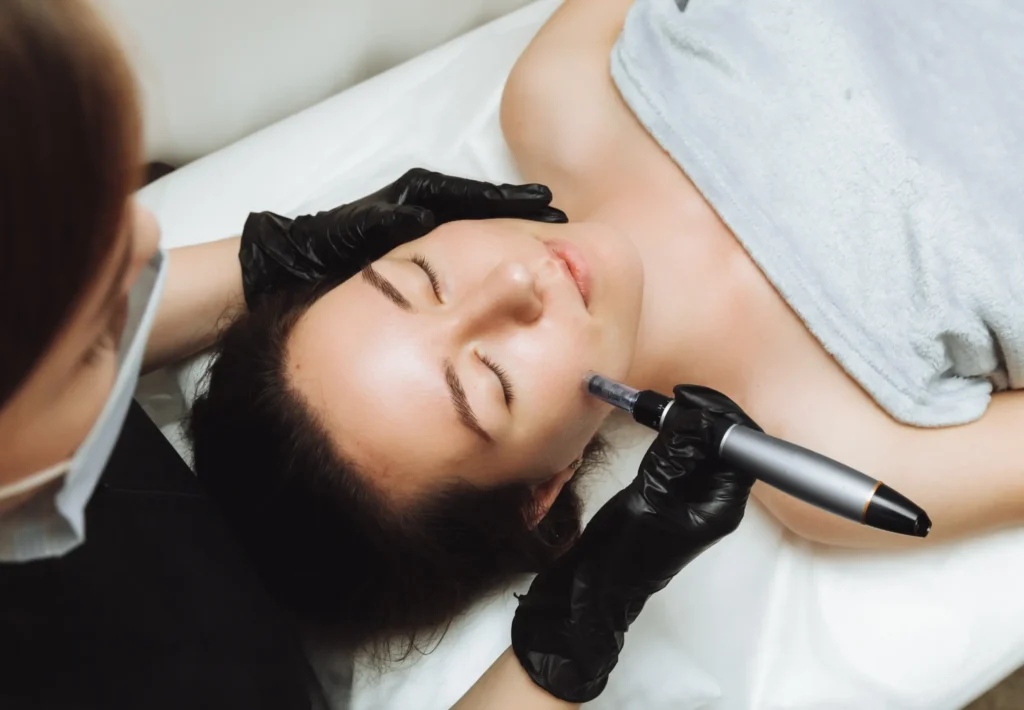
Right now, RF microneedling stands out as a leading non-surgical choice for facial skin tightening. This treatment merges two established techniques into one.
The microneedles create tiny, controlled channels in the skin’s surface—which sounds alarming but is actually what makes it so effective. These micro-injuries trigger the skin’s natural healing response. At the same time, radiofrequency energy is delivered deep into the dermis, generating heat that stimulates collagen and elastin production at a level that topical products simply can’t reach.
The dual action is what sets it apart. You’re getting surface-level renewal and deep structural tightening at the same time. It works particularly well on the jawline, cheeks, and lower face—the areas where sagging tends to show up first.
Most individuals require a series of sessions to achieve the best outcomes, and the benefits persist for months after the last treatment, thanks to ongoing collagen regeneration.
Laser Skin Tightening
Laser treatments are a well-known method for firming up facial skin. They work by sending controlled heat energy into the skin’s deeper layers, which stimulates collagen remodeling and gradually tightens the tissue.
Laser tightening is often favored by those seeking a good balance between visible results and minimal recovery time. Depending on the specific laser used, some redness or mild sensitivity might occur for a day or two, but most people quickly resume their usual activities.
It’s also a good choice for improving overall skin quality—tone, texture, and the appearance of fine lines—in addition to its tightening effects, making it a flexible option.
Advanced Skin Tightening Facials
For those just beginning to notice skin laxity, or for anyone looking to maintain the effects of more intensive treatments, advanced skin tightening facials can be quite beneficial.
Though they don’t reach the same depths as RF or laser procedures, they can lead to noticeable improvements in skin texture, tightness, and overall glow with consistent use. They’re also a sensible starting point if you’re new to aesthetic treatments and want to ease into things.
What Kind of Results Can You Expect?
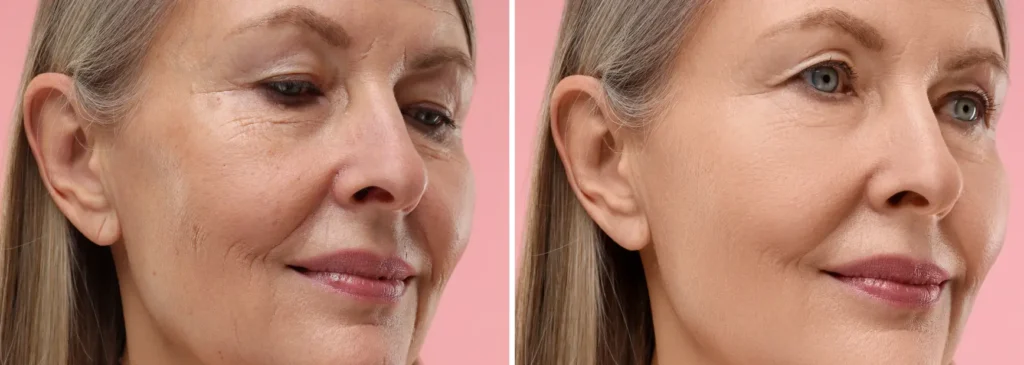
It’s worth being upfront: non-surgical skin tightening won’t give you the same results as a surgical facelift. If you have significant sagging, surgery may still be the most effective option.
But for mild to moderate skin laxity—which is where most people are when they first start noticing changes — these treatments can produce genuinely impressive results. Smoother texture, better jawline definition, less looseness under the chin, and an overall more refreshed appearance.
The key word is gradual. Most people start to notice improvement a few weeks after their first session, with results continuing to develop over three to six months. The process mirrors how your skin naturally rebuilds itself, which is why the outcome looks like you — just a better-rested, more lifted version.
How Many Sessions Do You Need?
This varies depending on the treatment, the technology used, and your individual skin — but here’s a general idea:
- Mild laxity: 2–3 sessions may be sufficient
- Moderate laxity: a course of 3–6 sessions spaced several weeks apart is common
- Maintenance: once or twice a year to preserve results over time
Your provider will assess your skin during a consultation and recommend a treatment plan tailored to your specific goals. The sooner you begin, generally speaking, the less aggressive the treatment plan will need to be.
Skin Tightening vs. Botox and Fillers: What’s the Difference?
This is one of the most common points of confusion in aesthetics, and it’s worth clearing up. Skin tightening treatments, Botox, and dermal fillers all address aging, but they each target a completely different aspect of it.
- Skin tightening focuses on the structural integrity of the skin itself—rebuilding collagen and firming loose tissue.
- Botox relaxes the muscles that cause expression lines crow’s feet, frown lines, forehead lines. It doesn’t tighten skin.
- Dermal fillers restore lost volume by adding fullness to areas like the cheeks, temples, or under the eyes that have hollowed over time.
None of these treatments do the same job. Many people achieve the best overall results by combining them — tightening the skin structure, softening expression lines, and restoring volume where it’s been lost. A good practitioner will help you understand which combination makes sense for your face and your goals.
Why Professional Treatments Beat At-Home Devices
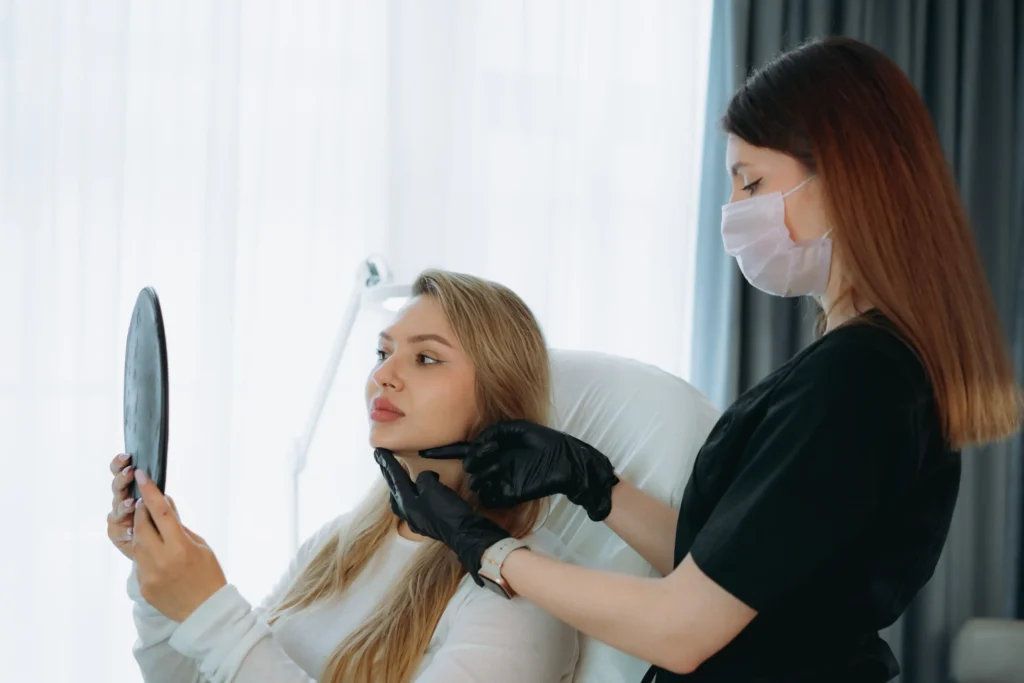
There are countless at-home tools marketed as skin tightening devices — LED masks, microcurrent wands, handheld RF devices. Some of them are genuinely useful for maintaining skin health and keeping it looking its best.
But they can’t replicate what professional treatments do. The reason is depth. At-home devices are designed to be safe for unsupervised use, which means they operate at much lower energy levels than clinical equipment. They work on the skin’s outermost layer, not in the deeper regions where collagen is actually formed.
Professional procedures are designed to reach the dermis — the layer where real structural changes occur. That distinction matters: it’s the difference between merely enhancing the skin’s appearance and fundamentally rebuilding what’s beneath.
The Bottom Line
Non-surgical methods for tightening facial skin are entirely feasible — and for many people, they’re all that’s ever needed. The key lies in selecting treatments that work with your skin’s natural biology rather than trying to force a result.
RF microneedling and laser skin tightening are currently among the most effective choices, offering tangible improvements in firmness, texture, and definition over time. For earlier concerns or ongoing maintenance, advanced facials can also play a meaningful role.
The one thing that makes the biggest difference? Starting sooner rather than later. The earlier you support your skin’s collagen production, the more you preserve — and the less intensive any future treatment plan needs to be.
If you’re not sure where to begin, a consultation with an experienced aesthetic practitioner is the best first step. They’ll assess your skin, explain your options, and help you build a plan that fits your face, your lifestyle, and your goals.