If you are comparing Morpheus8 and Ultherapy, the first thing to know is that they are not interchangeable. Both are popular non-surgical rejuvenation treatments, but they are designed for different concerns. The right choice depends on what you want to improve most.
In simple terms, Morpheus8 is often the better fit for people who want smoother texture, smaller-looking pores, acne scar improvement, and mild tightening. Ultherapy is often the better fit for those focused more on lift, especially around the brow, jawline, under the chin, and neck.
For New York patients, that distinction matters. In a city where people often want targeted results with minimal disruption to their schedule, choosing the right treatment starts with understanding the problem you actually want to solve.
What Morpheus8 Is Best Known For
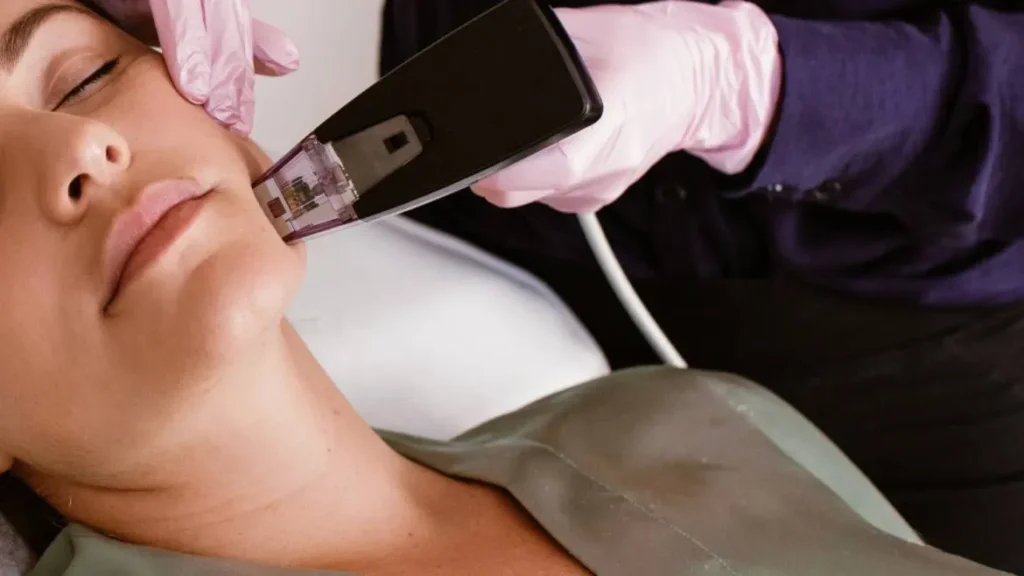
Morpheus8 is an RF microneedling treatment. It combines microneedling with radiofrequency energy to target deeper layers of the skin.
Because of that, it is often chosen for concerns such as:
- uneven texture
- acne scars
- fine lines
- enlarged pores
- mild skin laxity
- overall skin quality
For many people, its biggest appeal is that it does more than tighten. It also helps improve how the skin looks and feels on the surface.
That makes it especially attractive to patients whose concerns go beyond simple sagging. If the issue is rough texture, post-acne changes, or a tired-looking skin surface, this option is often the stronger fit.
What Ultherapy Is Best Known For
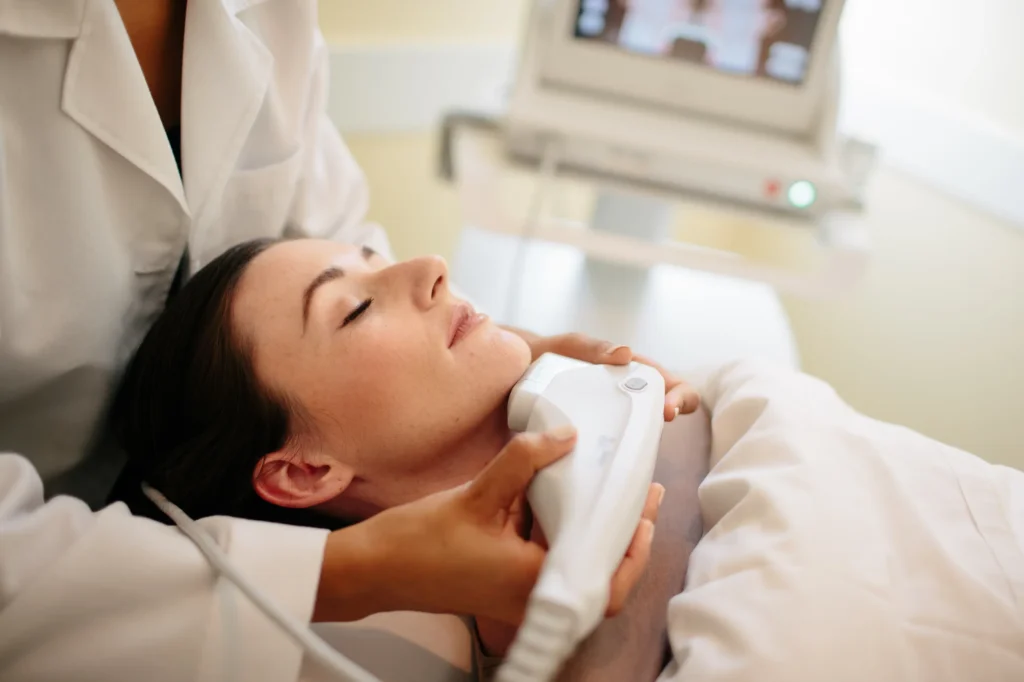
Ultherapy works differently. It uses ultrasound energy and is usually discussed more as a lifting and firming treatment.
It is commonly chosen for concerns such as:
- brow lift
- under-chin tightening
- neck firmness
- jawline support
- mild to moderate laxity
This is why it is often the treatment people consider when their main concern is a subtle lift rather than skin resurfacing. It is not usually the first treatment someone turns to for pores or acne scars. It is more about firming and support.
The Biggest Difference
The easiest way to think about the comparison is this:
Morpheus8 is usually better for texture and skin quality.
Ultherapy is usually better for lift.
If your skin feels loose but also looks uneven, scarred, or rough, RF microneedling may make more sense. If the main issue is laxity around the lower face or neck, ultrasound lifting may be the more natural choice.
That is why there is no true winner overall. Each one solves a different problem.
| Treatment | Best For | Pros | Cons |
|---|---|---|---|
| Morpheus8 | Texture, acne scars, pores, fine lines, mild tightening | Improves overall skin quality, helps refine texture, supports collagen production, can address multiple concerns at once | More visible recovery than Ultherapy, often done in a series, not as lift-focused |
| Ultherapy | Brow lift, neck tightening, jawline support, under-chin firmness | Non-invasive, more lift-focused, little to no visible downtime for many patients, often treated as a one-session option | Does less for acne scars and texture, not ideal for pore refinement, may be less appealing if resurfacing is your main goal |
Which Is Better for Sagging Skin?
If sagging is your top concern, Ultherapy is often the clearer match. It is more directly associated with brow, neck, and under-chin lifting.
For city patients who are less worried about skin texture and more focused on firmness, it may be the better starting point. This is especially true when the goal is a subtle, non-surgical lift rather than resurfacing.
That said, some people do not have only one issue. They may have mild laxity along with texture concerns. In those cases, the better option depends on what matters most right now.
Which Is Better for Texture and Acne Scars?
This is where Morpheus8 generally stands out. Because it uses microneedling plus heat energy, it is usually the stronger option when the focus is smoother skin, refined texture, or acne scar improvement.
For many younger New York patients, this can be the deciding factor. If the main frustration is not major sagging but rather post-acne changes, pores, or surface quality, Morpheus8 is often the more useful choice.
Downtime and Recovery

Recovery can also influence the decision.
Ultherapy is generally chosen by people who want a non-invasive treatment and less visible short-term recovery. Morpheus8, because it involves needles, often comes with more short-term redness or visible post-treatment recovery.
That does not make one better than the other. It just means your tolerance for downtime may shape the choice.
Someone with a packed social or work schedule may lean toward the ultrasound option if they want the least visible disruption. Someone willing to accept more short-term recovery in exchange for texture benefits may prefer Morpheus8.
Which Feels More Worth It for NYC Patients?
That depends on your goal.
Ultherapy may feel more worth it if you care most about:
- brow lift
- jawline definition
- under-chin support
- neck firmness
- avoiding needles
Morpheus8 may feel more worth it if you care most about:
- smoother skin
- acne scars
- pore refinement
- fine lines
- tightening plus texture improvement
In a place like New York, people are often less interested in what is trendiest and more interested in what works for their exact concern. That is why this comparison is so important.
Can They Be Combined?
In some cases, yes. Since they target different things, they can be complementary rather than competitive. One focuses more on lift, while the other addresses texture and remodeling.
Whether they should be combined, and in what order, depends on the provider, your goals, and your skin. That decision is best made in a consultation rather than assumed from an online comparison.
Which One Is Better Overall?
There is no universal winner.
If your top priority is smoother texture, scar improvement, or refining the look of your skin, Morpheus8 is often the stronger option. If your biggest concern is sagging around the brow, jawline, or neck, Ultherapy is often the better fit.
The best treatment is the one that matches your goals, recovery preferences, and the areas you want to improve most.
That is why a consultation matters. The right answer is not based on which treatment has the bigger name. It is based on which one actually addresses what you see in the mirror.