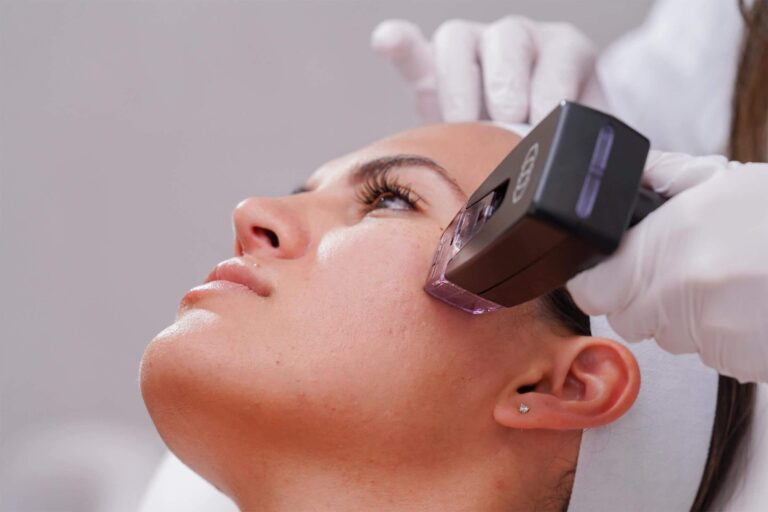
The medical aesthetics industry has evolved rapidly over the past decade. What was once considered a luxury service category has become a mainstream wellness and maintenance market across the United States. As demand for non-surgical treatments continues to grow, more investors are evaluating med spa franchise opportunities in 2026.
However, not all franchise systems are structured for long-term stability or scale. Some are built around trends. Others are built around sustainable unit economics and repeatable systems.
If you are considering investing in a medical spa franchise, understanding what separates strong opportunities from risky ones is essential.
Why Medical Aesthetics Franchising Is Growing Nationally
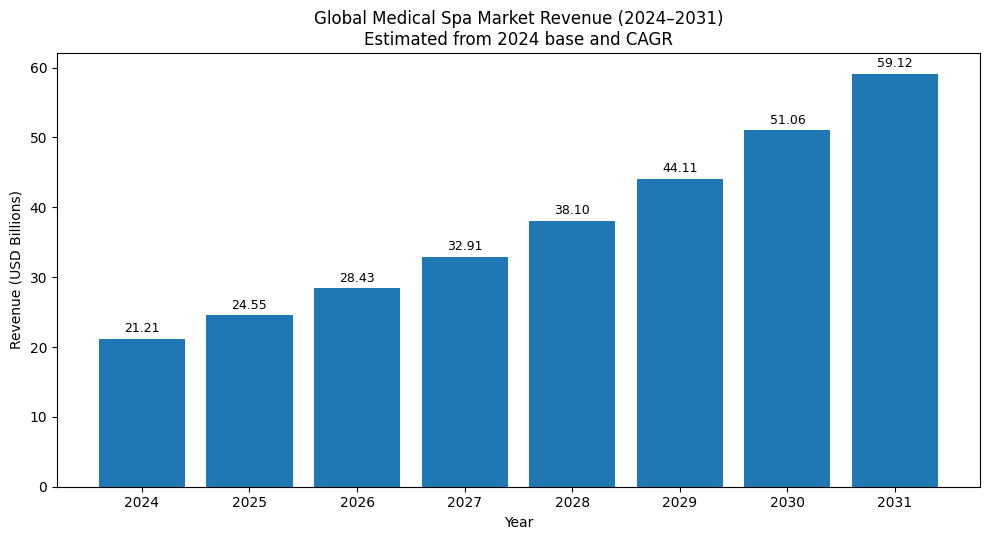
The growth of medical aesthetics is driven by structural demand rather than short-term trends. Consumers increasingly view laser hair removal, skin rejuvenation, and injectables as routine maintenance rather than luxury indulgences. This shift has created recurring revenue potential and strong lifetime customer value within the category.
Unlike traditional retail franchises, medical spa businesses typically operate with:
- High-margin service offerings
- Repeat treatment cycles
- Membership and package models
- Strong average transaction values
From an investment perspective, this combination makes the category attractive, particularly when backed by a scalable franchise system.
What Makes a Med Spa Franchise Opportunity Strong in 2026?
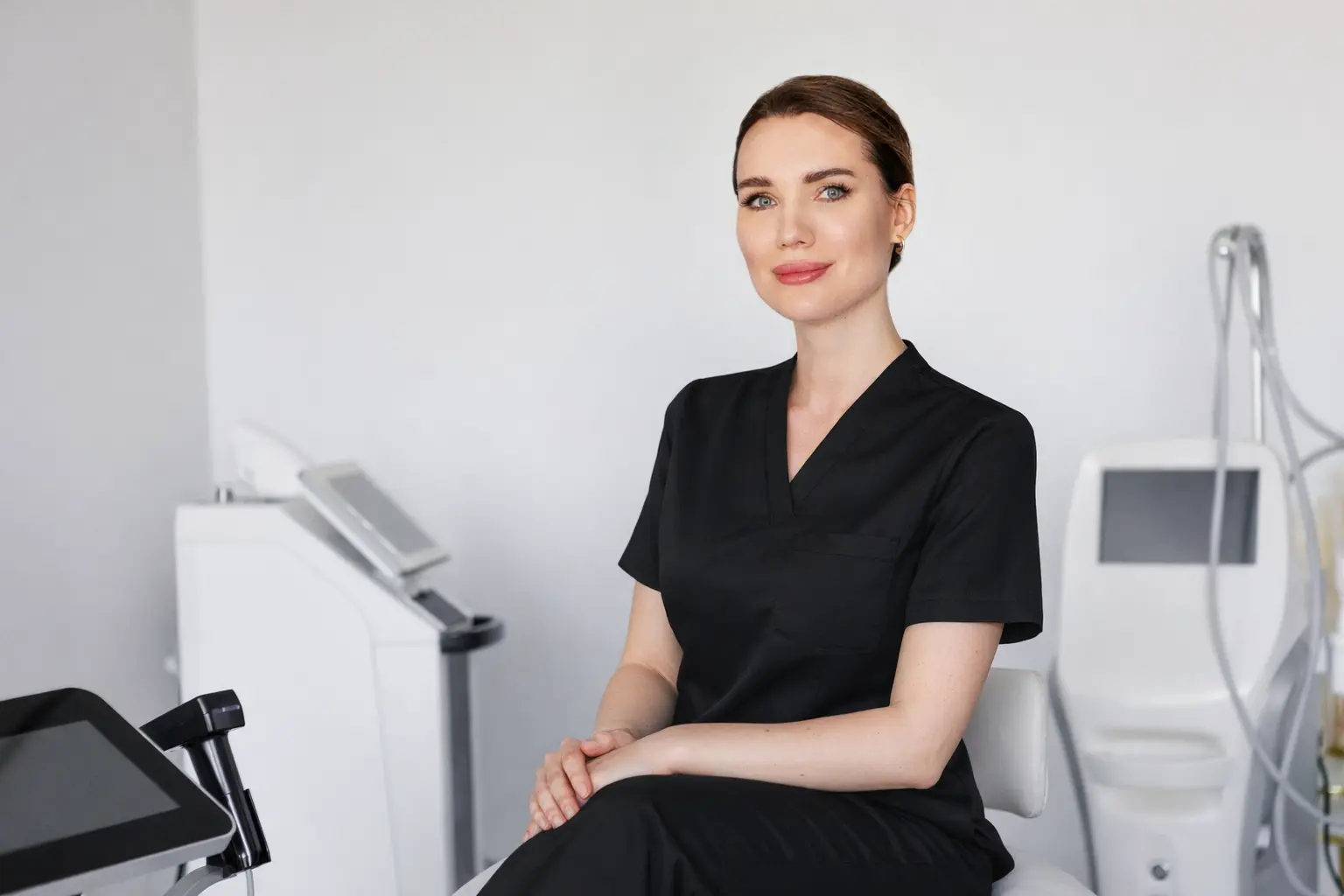
When evaluating the best med spa franchise opportunities, investors should focus on structure rather than branding alone.
A strong franchise system will demonstrate clear operational processes, diversified revenue streams, and a support model that reduces unnecessary risk for new franchisees. Businesses that rely on one trending service often struggle when consumer interest shifts. In contrast, multi-treatment clinics that combine laser, injectables, and skin treatments tend to produce more stable revenue patterns.
In addition, transparent investment breakdowns are critical. Investors should understand the total startup range, including buildout, equipment, working capital, and ongoing royalty structure. Clear communication during the discovery process is often a strong indicator of long-term franchisor stability.
The Importance of Multi-Unit Scalability
One of the most important differentiators in 2026 is whether a franchise model is built for multi-unit expansion.
Many modern franchise investors are not seeking a single-location lifestyle business. Instead, they are evaluating opportunities that allow them to secure multiple territories and build a regional presence. Multi-unit development agreements can provide long-term strategic advantages, including shared management structure, centralized marketing efficiencies, and stronger territory control.
Franchise systems that actively support multi-unit operators typically offer more standardized systems, clearer territory planning, and structured expansion guidance.
BYou Laser Clinic is structured to support both single-unit and multi-unit franchisees, allowing qualified investors to develop multiple territories under a unified brand model. This approach signals long-term scalability rather than short-term expansion.
Evaluating Unit Economics and Profit Potential
Medical spa franchises can offer attractive margins, particularly in service categories such as laser treatments and injectables. However, profitability depends heavily on operational execution and market positioning.
Factors that influence unit performance include location selection, staff training, marketing consistency, and customer retention strategies. Franchisors that provide centralized marketing systems and standardized operating procedures often reduce variability between units.
For investors considering multi-unit ownership, it is especially important to evaluate how operational systems scale across multiple locations. Consistency in training, vendor relationships, and technology platforms becomes critical as the portfolio grows.
Franchise vs Independent Med Spa Ownership

Some investors debate whether to purchase a franchise or build an independent medical spa from scratch. While independent ownership offers full autonomy, it also requires developing brand identity, vendor relationships, compliance systems, and marketing infrastructure independently.
Franchise systems provide structured support from day one. This can include site selection assistance, training programs, vendor negotiations, and territory protection. For investors entering the aesthetics space without prior medical spa experience, these systems significantly reduce trial-and-error risk.
For those interested in multi-unit growth, the franchise model often provides a clearer path toward regional expansion.
Why 2026 Is a Strategic Time to Enter the Market

The medical aesthetics market continues expanding into secondary and tertiary U.S. markets. Increased consumer comfort with non-invasive treatments, combined with social normalization of aesthetic maintenance, supports sustained demand.
Investors who secure territories early may benefit from market positioning advantages before local competition intensifies. Franchise systems that offer defined territory protection and expansion planning are particularly valuable in this environment.
Where BYou Laser Clinic Fits in the 2026 Landscape
BYou Laser Clinic operates within the multi-treatment medical aesthetics category, combining high-demand laser services with complementary skin and body treatments. The model is structured to maximize service revenue while maintaining operational clarity.
Importantly, BYou offers multi-unit franchising opportunities for investors seeking territory development beyond a single location. This aligns with the broader trend of experienced franchise operators building regional portfolios rather than single-store businesses.
The ability to scale within a unified system can create operational leverage and long-term brand presence in defined markets.
Final Thoughts
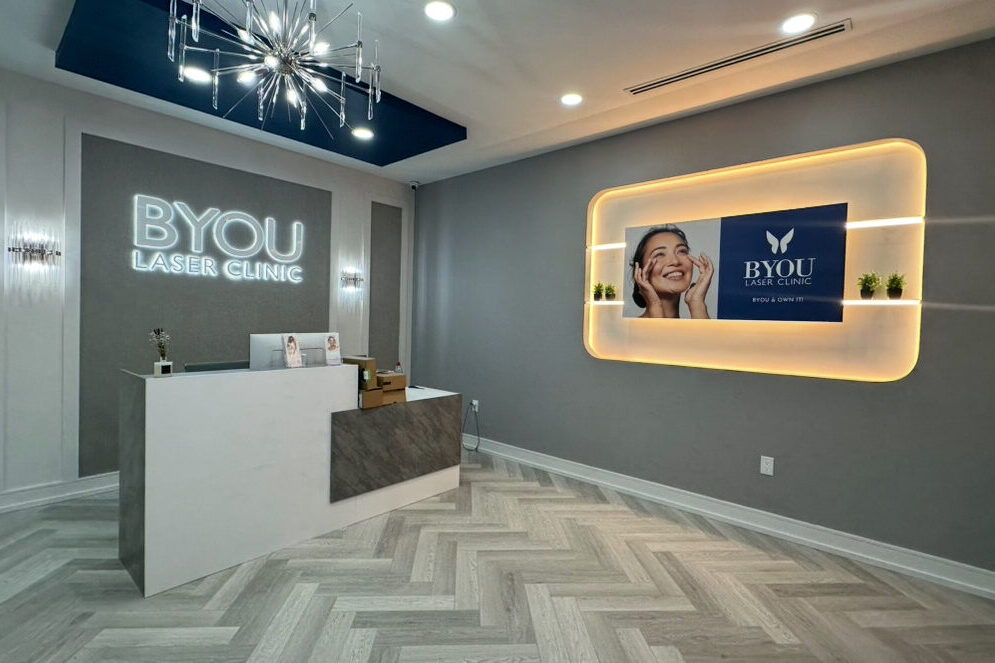
The best med spa franchise opportunity in 2026 is not determined by marketing claims alone. It is defined by operational structure, revenue diversification, scalability, and transparent investment planning.
For U.S.-based investors exploring entry into the medical aesthetics industry, evaluating franchise systems that support both single-unit and multi-unit growth is critical.
Medical aesthetics continues to demonstrate strong demand fundamentals. The key decision lies in selecting a franchise model built not only for launch, but for long-term expansion.