If you’re searching “body sculpting near me,” you’re probably looking for a real change you can see in the mirror, a tighter look, smoother texture, or a more defined shape, without surgery and without guessing whether it’s worth it. That’s a smart approach, because body sculpting can work really well for the right person, the best outcomes come from two things: choosing the right type of treatment for your body goal and having realistic expectations about timeline and results.
This guide explains what body sculpting is, what results are realistic, and what to look for in a clinic so you can make an informed decision.
What “body sculpting” actually means
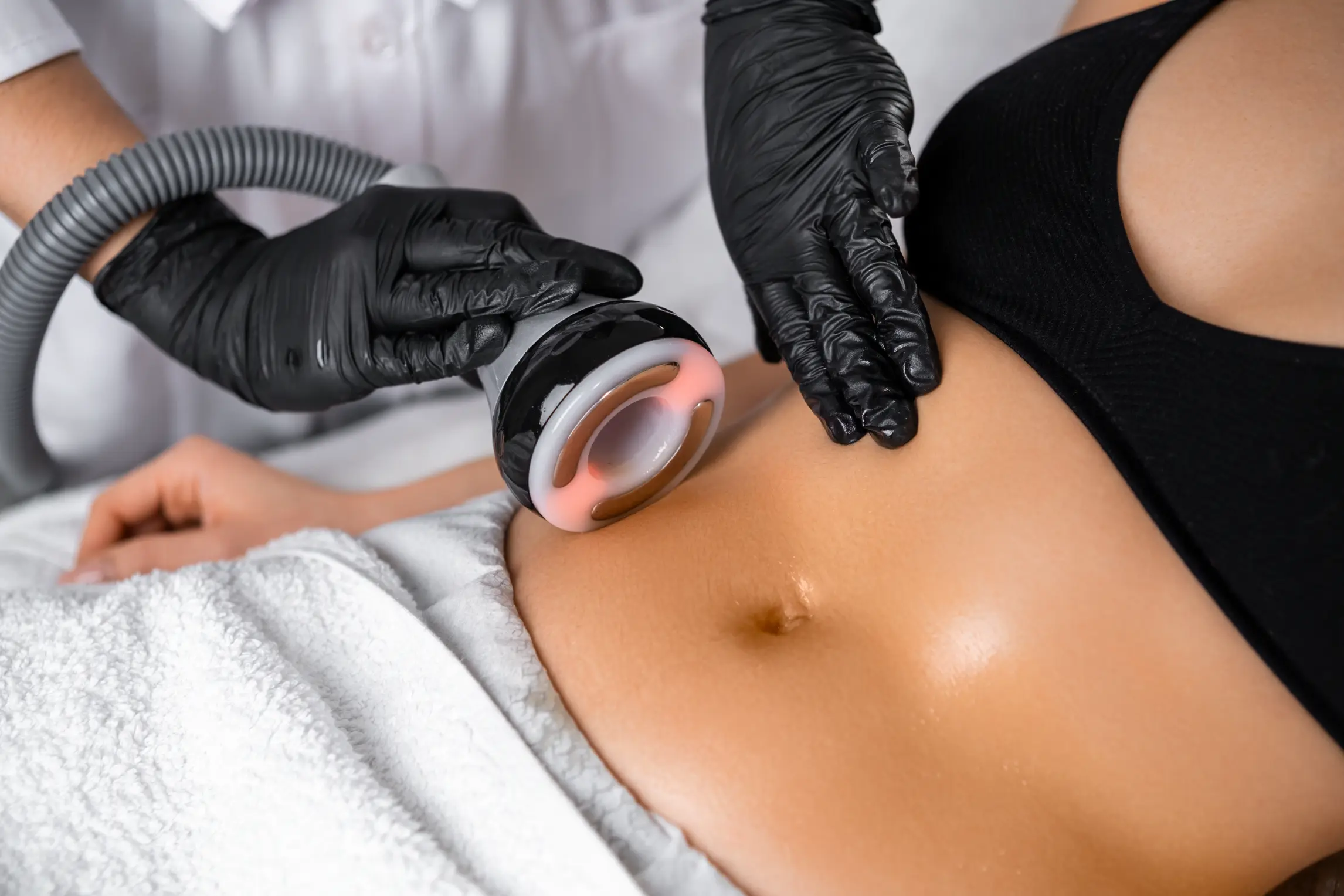
Body sculpting (also called body contouring) is a category of non-surgical treatments designed to improve the appearance of areas like the stomach, waist, flanks (“love handles”), thighs, arms, back, and sometimes under the chin. Depending on the method, body sculpting can help with:
- Reducing the appearance of stubborn fat pockets
- Improving the look of firmness/skin tightness
- Smoothing texture concerns like cellulite
- Enhancing your overall contour (how an area looks in clothes and photos)
One important truth: body sculpting is not weight loss. It’s best for shaping and refining — the kind of change where your silhouette looks cleaner and clothing fits better.
The most common reason people feel disappointed
Most disappointment happens when someone expects body sculpting to deliver a surgical-level transformation. Non-surgical treatments can create noticeable, confidence-boosting improvements, but the goal is usually:
- more definition
- smoother texture
- firmer appearance
- improved contour in one or two areas
Instead of a dramatic overnight change.
That doesn’t mean results aren’t “real.” It means results are realistic, and they tend to build gradually.
Who body sculpting works best for
You’re typically a strong candidate if you’re close to your goal weight and dealing with stubborn areas that don’t respond easily to workouts or diet, some of those areas include stomach fat, double chin, loose arm skin, inner thighs, and more.
Body sculpting tends to work best for people who:
- have localized fat (small-to-moderate pockets)
- want subtle-to-moderate improvement in shape or firmness
- can commit to a plan (often multiple sessions)
- understand results are gradual and depend on consistency
Body sculpting may not be the best fit if:
- your primary goal is major weight loss
- you have significant loose skin and want a surgical-level lift
- you’re expecting a one-session transformation
A quality clinic will tell you this clearly during a consultation. That honesty is a good sign.
Types of body sculpting treatments (and what each is best for)
Not all “body sculpting” is the same. The best results come from matching the treatment to your goal: fat reduction vs tightening vs smoothing vs muscle definition.
Here are the body sculpting options we offer and what they’re commonly used for:
1) truFlex – EMS Sculpting (muscle tone + definition)
EMS-based sculpting focuses on muscle engagement to help improve the look of tone and firmness in areas like the abdomen, glutes, and thighs. It’s often chosen by people who feel “soft” in an area even when they’re relatively fit and want more visible definition.
Best for: improving the appearance of muscle tone and firmness
Not ideal for: significant fat reduction on its own (it can complement fat-focused treatments)
2) truSculpt – Fat Reduction (stubborn fat pockets)
Fat reduction technologies are designed to target areas where fat is resistant — the spots that don’t change much even with healthy habits. This category is usually what people mean when they say they want to “snatch” their waist or reduce love handles.
Best for: localized, stubborn fat
Not ideal for: large-scale weight loss
3) Radio Frequency (RF) (firming + smoothing)
Radio Frequency treatments are commonly used to help improve the appearance of skin firmness and texture. Many clients like RF because it’s often comfortable and supports that “tightened” look over time.
Best for: skin firmness, texture, mild laxity
Pairs well with: fat reduction + cavitation-type plans for more polished results
4) Ultrasonic Cavitation (contour + smoothing)
Cavitation is often chosen for people who want help with contour refinement and smoothing the look of an area. It’s typically part of a multi-session plan and works best when paired with realistic expectations and consistent aftercare.
Best for: contour refinement and smoothing in targeted areas
Most effective when: done as a series, not a one-off
5) Morpheus8 Body (tightening + texture + skin quality)
Morpheus8 Body is often selected for clients who care about skin quality, texture, firmness, and the overall look of the treated area. It’s commonly chosen when someone’s concern isn’t just the fat pocket, but also how the skin looks over it.
Best for: skin quality + firming in targeted body areas
Important note: the right candidate and a proper treatment plan matter a lot here
If you’re not sure which one is right, that’s normal, the point of a consultation is to match the technology to your goal.
What to expect at your first appointment
A reputable body sculpting visit should feel educational, not pushy. Here’s what usually happens when it’s done properly:
- Goal-setting and assessment
You’ll talk about what you want to change and which areas bother you most. A provider should look at both the fat pocket and the skin quality because that determines what’s realistic. - A customized plan (sessions + spacing)
Instead of “everyone needs the same package,” you should get a plan that answers:
- which treatment(s) fit your goal
- how many sessions are recommended
- how often you should come in
- what you can do to support results between visits
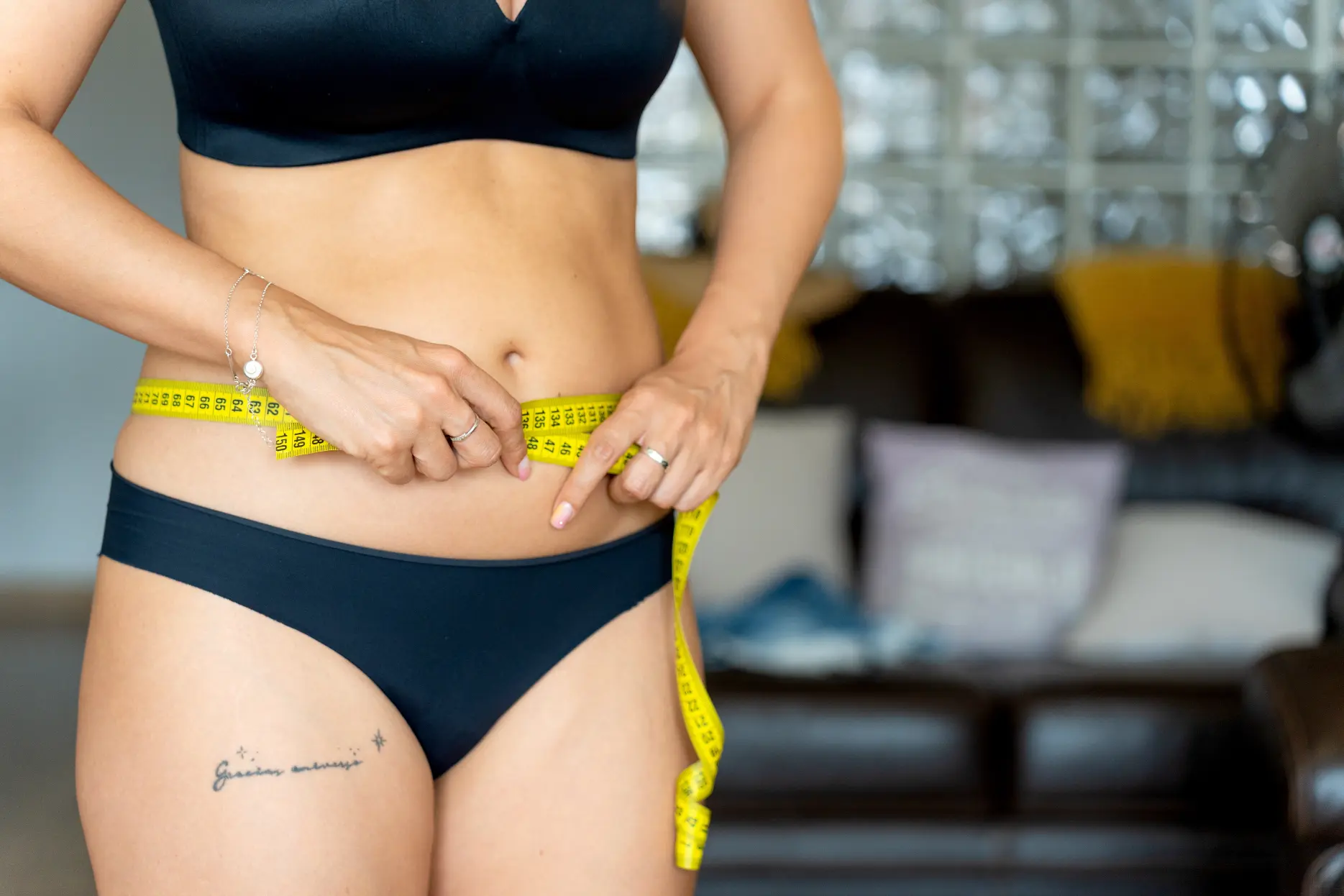
- Photos or measurements (optional but recommended)
Because results can be gradual, tracking helps you see changes clearly and keeps the plan honest.
Realistic results: what changes you can actually expect

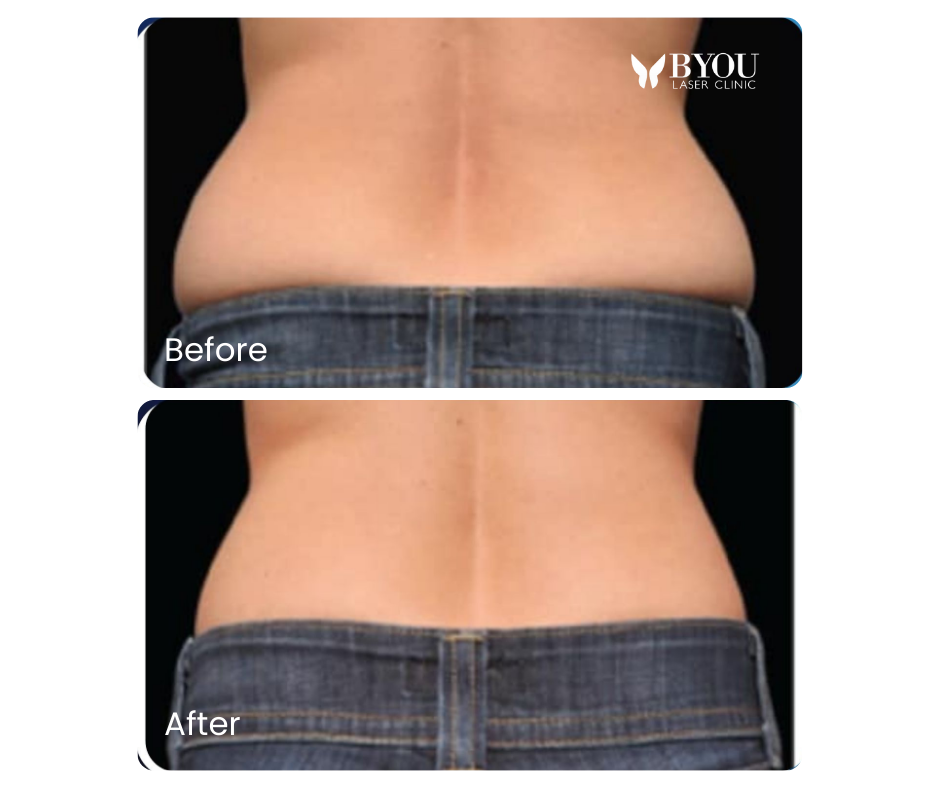
Most clients love body sculpting when they focus on the right kind of progress. Realistic results often look like:
- clothes fit better around the treated area
- the area looks smoother and more “pulled together”
- your silhouette looks more defined
- you feel more confident in photos and tighter outfits
What you should not expect:
- a dramatic “surgery result” from a non-surgical treatment
- instant results after one session
- permanent results with no maintenance (your body still changes with time)
When you’ll see results
Results depend on the method and your body, but a realistic timeline is:
- Early changes: some people notice subtle improvements in a few weeks
- Noticeable results: usually after completing a series (often 3–6 sessions for many plans)
- Best results: continue developing over several weeks as your body responds
The best clinics will set expectations clearly and tell you what a realistic “win” looks like for your body type.
How many sessions will you need?
For most non-surgical sculpting, a series matters more than one appointment. A practical way to think about it:
- Session 1–2: foundation and early response
- Session 3–4: where many people start noticing the “okay this is working” change
- Session 5–6+: refinement, symmetry, and stronger contour
Some clients also choose occasional maintenance sessions depending on goals and lifestyle.
If a clinic won’t give you a session range or only talks in vague promises, that’s a sign to be cautious.
Aftercare that supports better outcomes
You don’t need an extreme lifestyle to get good results, but you do need consistency. Most providers will recommend some variation of:
- Hydration (helps your body recover and supports overall skin appearance)
- Movement (even light activity supports circulation and consistency)
- Stable habits (big weight swings can affect how results look over time)
Aftercare shouldn’t feel like punishment, it should feel doable to see maximum results.
How to choose the best “body sculpting near me” clinic
Because results depend heavily on the provider and plan, choosing the right clinic is just as important as choosing the treatment.
A trustworthy clinic will:
- explain exactly which treatments they use and what each is best for
- screen for candidacy and set realistic expectations
- show clear, believable examples of results
- give transparent guidance on session count and aftercare
- prioritize safety, cleanliness, and professional standards
Questions worth asking:
- “Is my main goal fat reduction, tightening, smoothing, or muscle tone?”
- “Which treatment matches that goal best and why?”
- “How many sessions do you recommend for someone like me?”
- “How will we track progress?”
- “What would make me a poor candidate?”
Good providers don’t get annoyed by questions, they welcome them.
FAQs
Does body sculpting hurt?
Many treatments are tolerable. You might feel warmth, pressure, or muscle contractions depending on the option used. Your provider should explain what’s normal and what isn’t.
Is there downtime?
Many non-surgical sculpting options have little downtime, but it depends on the treatment. You’ll receive aftercare instructions tailored to the method.
Can I combine treatments?
Often, yes and combining can be a smart way to address both shape and skin quality. This should be recommended based on your goals, not as an automatic upsell.
How do I know what I need?
A proper consultation should determine whether your priority is fat reduction, skin tightening, smoothing, muscle toning or a combination.