Acne may eventually fade, but acne scars can linger for years—sometimes long after breakouts stop. If you’ve tried skincare products, exfoliators, or home remedies without real improvement, you’re not alone.
The good news is that there are ways to treat acne scars. The most important thing is to know what kind of scarring you have and which treatments have been shown to make skin feel better. The good news is this: acne scars can be treated. The key is understanding what type of scarring you have and which treatments are scientifically proven to improve skin texture.
This guide explains what causes acne scars, the different kinds of scars, and the best treatments that are available right now.
What Causes Acne Scars in the First Place
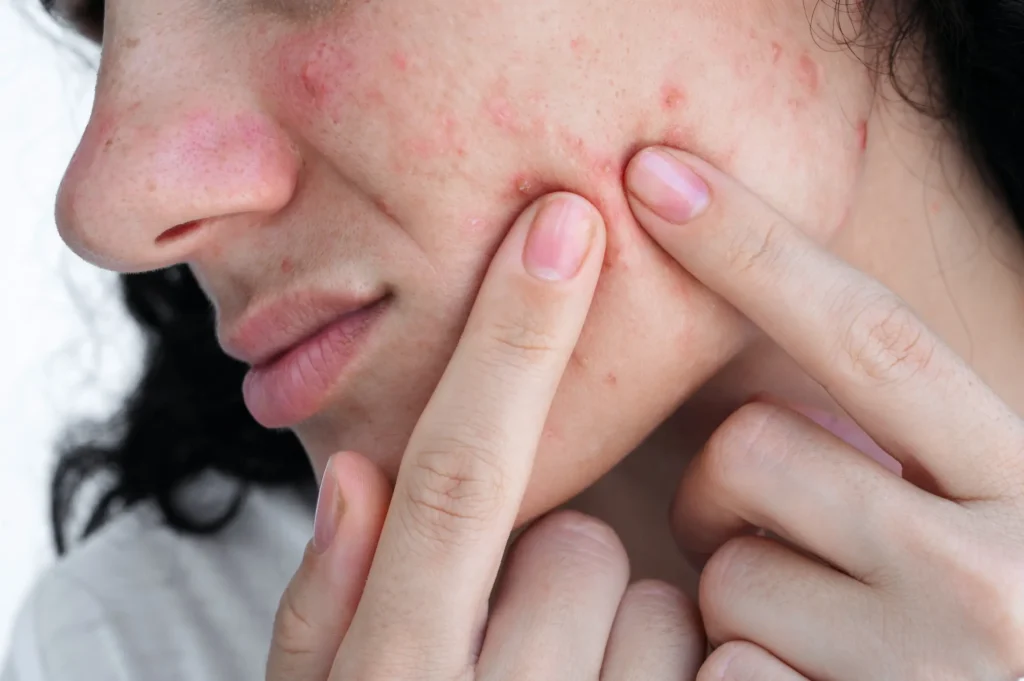
When inflammation hurts the deeper layers of the skin, acne scars form. When a breakout goes deeper than the surface, it stops the body from making collagen. As the skin heals, it might not make enough collagen, which can cause scars to be depressed, or it might make too much, which can cause scars to be raised.
Long-term scarring is more likely to happen if the inflammation is worse.
Things that make scars more likely to happen are:
- Picking at or squeezing acne
- Breakouts with deep cysts
- Treatment that is late
- Genetics
- Inflammation that happens over and over in the same area
Scars don’t usually go away on their own, which is why professional treatments are often needed.
Different Types of Acne Scars and Why They Matter
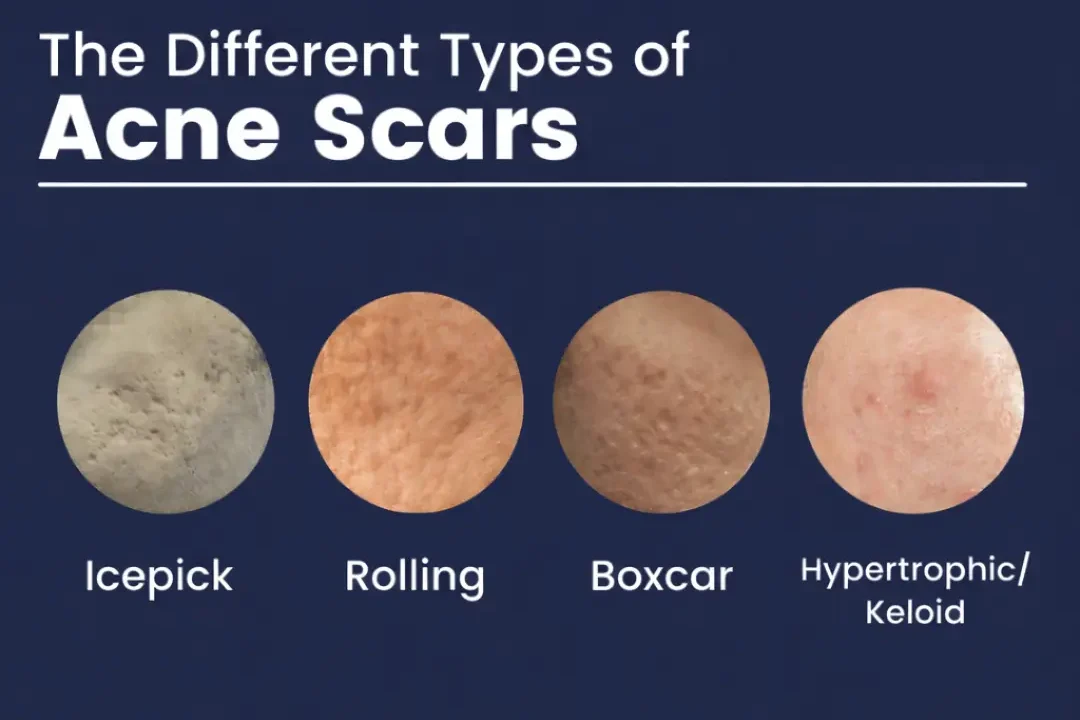
There are different types of acne scars. Finding the right type of scar is very important for treatment to work.
The most common types are
Scars from Ice Picks
Scars that are deep and narrow and go into the dermis. These are often the hardest to treat and may need more than one type of treatment.
Scars on the Boxcar
Scars that are wider, depressed, and have clear edges. These respond well to treatments that boost collagen.
Scars that roll
Shallow dips with soft edges that make the texture uneven. These often respond very well to treatments that use microneedling.
PIH, or Post-Inflammatory Hyperpigmentation
Not really a scar, but dark spots that stay after acne heals. These respond better to treatments that target pigments.
The right diagnosis is the first step to getting the right treatment.
Is it possible to get rid of acne scars completely?
This is a question that a lot of people ask.
Most of the time, acne scars can be greatly improved, but they are rarely completely gone. The purpose of treatment is to:
- Texture of smooth skin
- Encourage the body to make more collagen
- Make scars less deep
- Make skin tone even
Most people see a big change in both their texture and their confidence when they use the right method.
The Best Ways to Get Rid of Acne Scars
Professional treatments are much better than over-the-counter products because they work below the skin’s surface, where scars actually form.
The options below have been shown to work the best.
Microneedling for Scars from Acne

Microneedling is one of the most popular ways to treat acne scars. It uses very thin needles to make small, controlled cuts in the skin that cause the body to make more collagen.
New collagen fills in depressed scars over time and makes the texture better overall.
Microneedling works best for:
- Scars that roll
- Scars from boxcars
- Problems with texture that are mild to moderate
Most people need several sessions spaced out over a few weeks to get the best results.
Radiofrequency Microneedling (RF Microneedling)
RF microneedling is an improvement on regular microneedling because it adds radiofrequency energy under the skin.
This mix:
- Encourages deeper remodeling of collagen
- Makes skin firmer
- Helps with moderate acne scars
- Makes everything firmer
People often use devices like the ones made by InMode for RF microneedling treatments.
RF microneedling may work better than regular microneedling for people with more stubborn scars.
Laser Treatments for Scars from Acne
Laser resurfacing treatments work by either getting rid of damaged surface layers or making collagen grow under the skin.
Depending on the type of laser used, treatments can:
- Make scars less deep
- Enhance pigmentation
- Make the texture smooth
People often recommend laser treatments for:
- Scars on the boxcar that are deeper
- Problems with skin color
- Scarring from a combination
The amount of downtime depends on how aggressive the treatment is.
Peels with chemicals
Chemical peels can help with mild scarring and discoloration by removing damaged layers of skin and encouraging new skin to grow.
They work best for:
- Hyperpigmentation after inflammation
- Slightly uneven texture
- Scarring on the surface
But on their own, they usually aren’t strong enough for deeper scars.
How many sessions do you need?
There is no one-time fix for acne scars; they need to be treated over time.
Most treatments that boost collagen need:
- 3 to 6 sessions
- Four to six weeks apart
- Slowly getting better over a few months
Collagen remodeling keeps going even after treatment is over, so the results get better over time.
Being patient is part of the process.
What about treatments you can do at home?
A lot of people try:
- Retinoids
- Serums with vitamin C
- Acids that remove dead skin
- Treatments for scars with silicone
These can help with mild discoloration and even out skin tone, but they usually don’t work on deeper acne scars because they don’t stimulate enough collagen remodeling in the dermis.
Professional treatments get to the layers where scars really form.
Is it safe for all skin tones to treat acne scars?
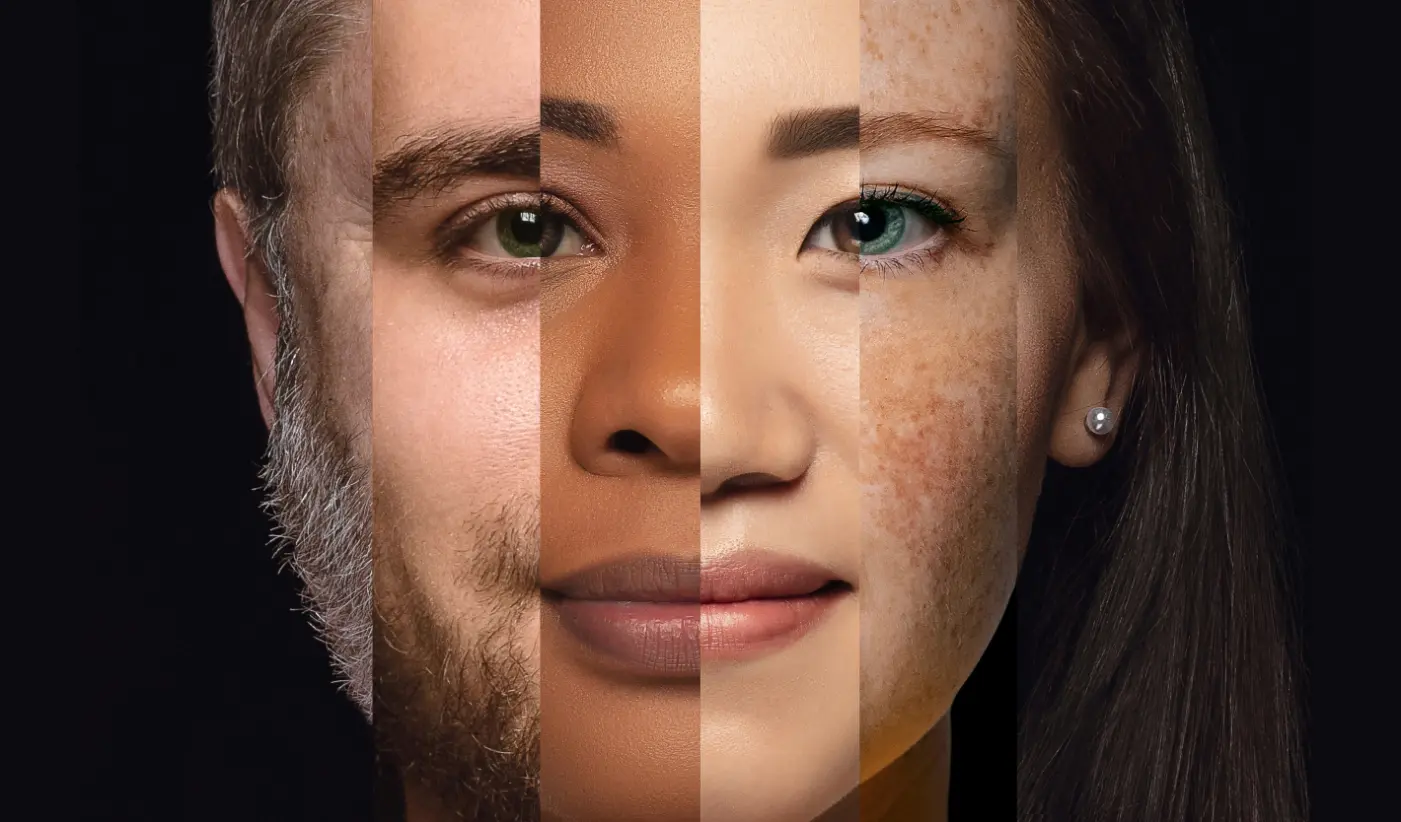
When done by trained professionals, modern microneedling and RF microneedling are usually safe for a wide range of skin tones.
Depending on the risk of pigmentation, laser resurfacing may need to be chosen more carefully. To find the safest way for your skin type, you need to have a consultation.
When Should You Get Professional Help?
If you think you might need professional help, you should think about it.
- Scars stay even after acne goes away.
- The texture of your skin affects how you put on makeup.
- You stay away from some kinds of lighting or pictures.
- Just taking care of your skin hasn’t helped.
Acne scarring is very common, but with the right plan, it can be treated very well.
The Truth About Results
Treatments for acne scars can make a big difference, but people should keep their hopes realistic. It takes time to get better, and combination therapy usually works best.
Most people go through:
- Skin that feels smoother
- Less deep scars
- Better tone
- More self-assurance
The sooner the scarring is treated, the better the results will be.
Final Thoughts: The Best Way to Get Rid of Scars from Acne
You need more than just skin care products to get rid of acne scars. Targeted professional procedures are the best way to treat skin problems because they focus on rebuilding collagen, improving texture, and fixing pigmentation.
Microneedling, RF microneedling, and laser treatments are still the safest and most effective ways to get rid of acne scars.
The best thing to do next is to see a professional who can look at your scars and figure out the best way to treat your skin.