If you’ve been researching skin tightening treatments, chances are you’ve come across RF microneedling. It’s often described as a powerful, non-surgical solution for sagging skin, wrinkles, acne scars, and uneven texture. But with so much hype surrounding it, one question remains:
Is RF microneedling actually worth it?
The honest answer is: it depends on your skin goals, expectations, and willingness to commit to the process. This guide breaks down what RF microneedling really does, who it’s best for, what results look like, and whether the investment makes sense.
What Is RF Microneedling?
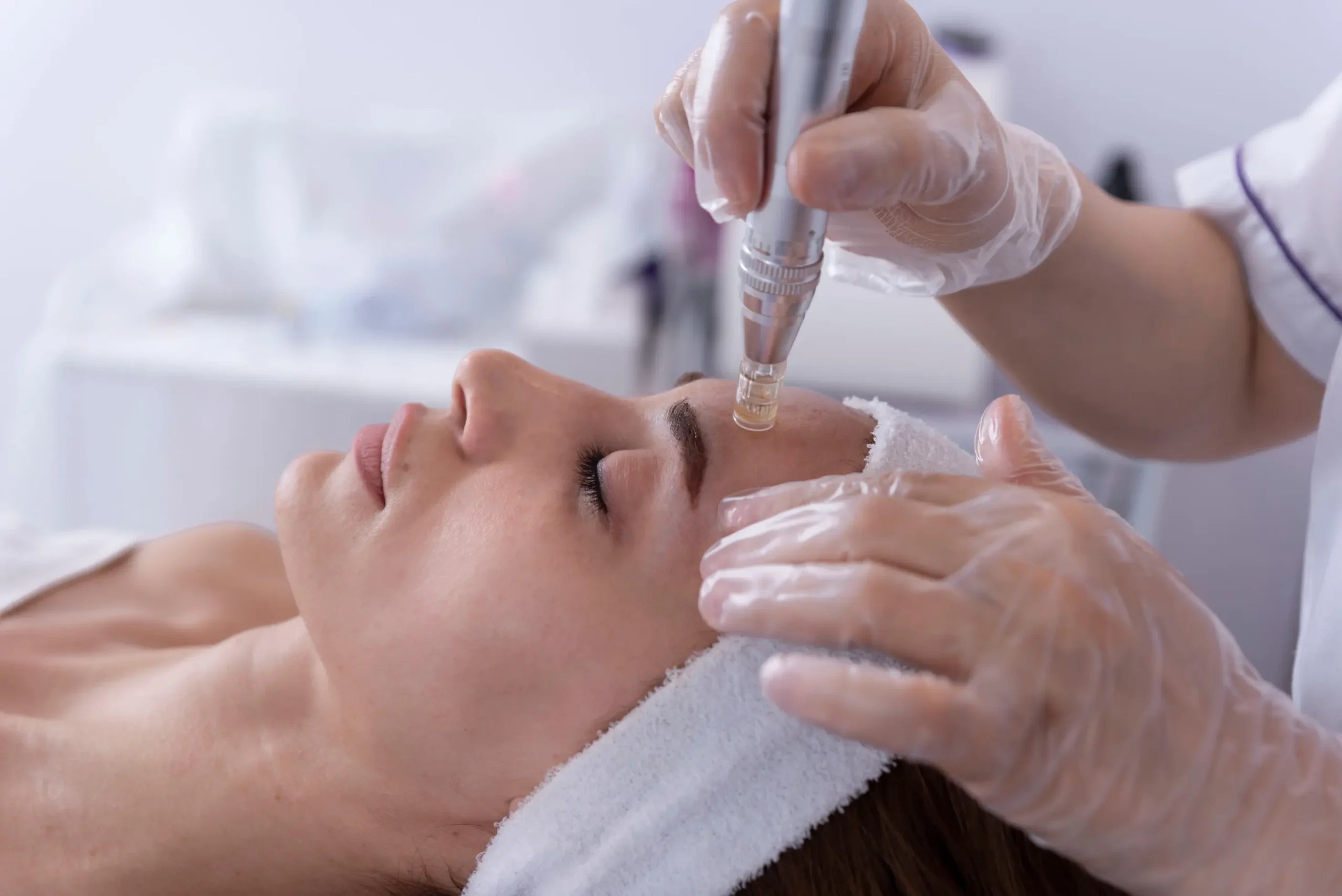
RF microneedling stands for radiofrequency microneedling. It combines two technologies:
- Microneedling (controlled micro-injuries that stimulate collagen)
- Radiofrequency energy (heat delivered deep into the skin to tighten tissue)
One of the most well-known RF microneedling systems is InMode Morpheus8, which delivers energy deeper than traditional microneedling alone.
Unlike surface-level treatments, RF microneedling works in the deeper layers of the skin, where collagen remodeling and tightening actually occur.
What Does RF Microneedling Actually Improve?
Typically recommended for:
- Mild to moderate skin laxity
- Fine lines and wrinkles
- Jowls or jawline softening
- Acne scars
- Enlarged pores
- Crepey skin
- Uneven texture
Because it stimulates collagen at multiple depths, it can improve both surface texture and deeper firmness.
However, it is not a replacement for surgical lifting in cases of severe skin sagging.
What Results Can You Realistically Expect?
This is where honesty matters.
RF microneedling delivers gradual improvement, not overnight transformation. Most clients notice:
- Subtle tightening within a few weeks
- Continued improvement over 2–3 months
- Smoother texture
- Firmer appearance
- Mild contour improvement
Collagen remodeling continues for months after treatment, which is why results often look better over time.
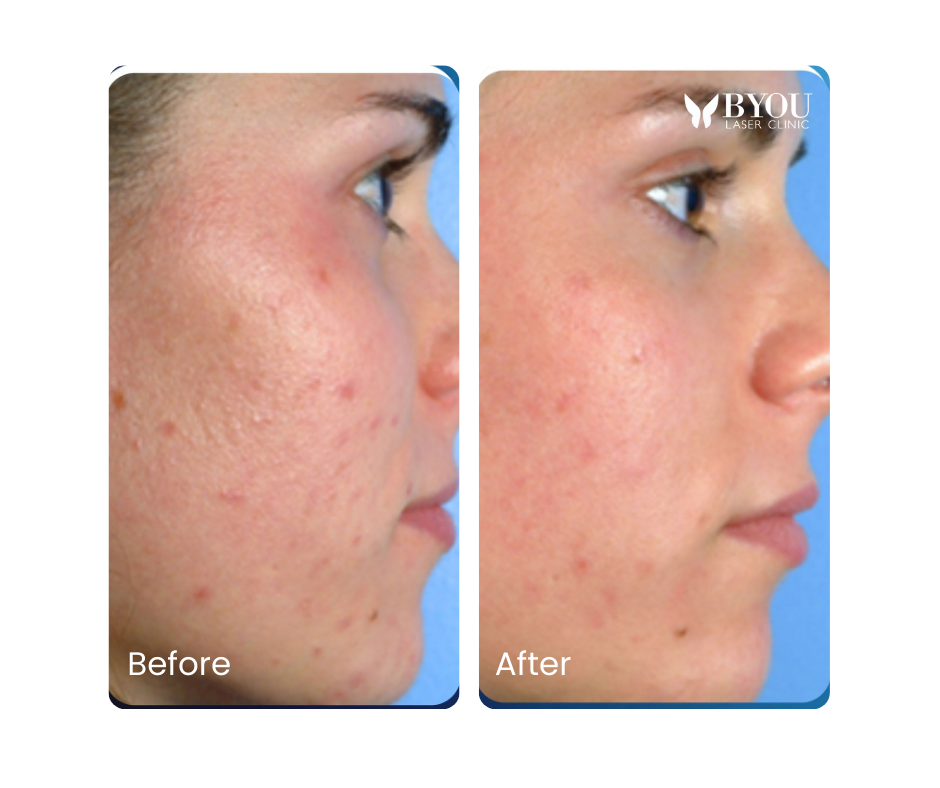
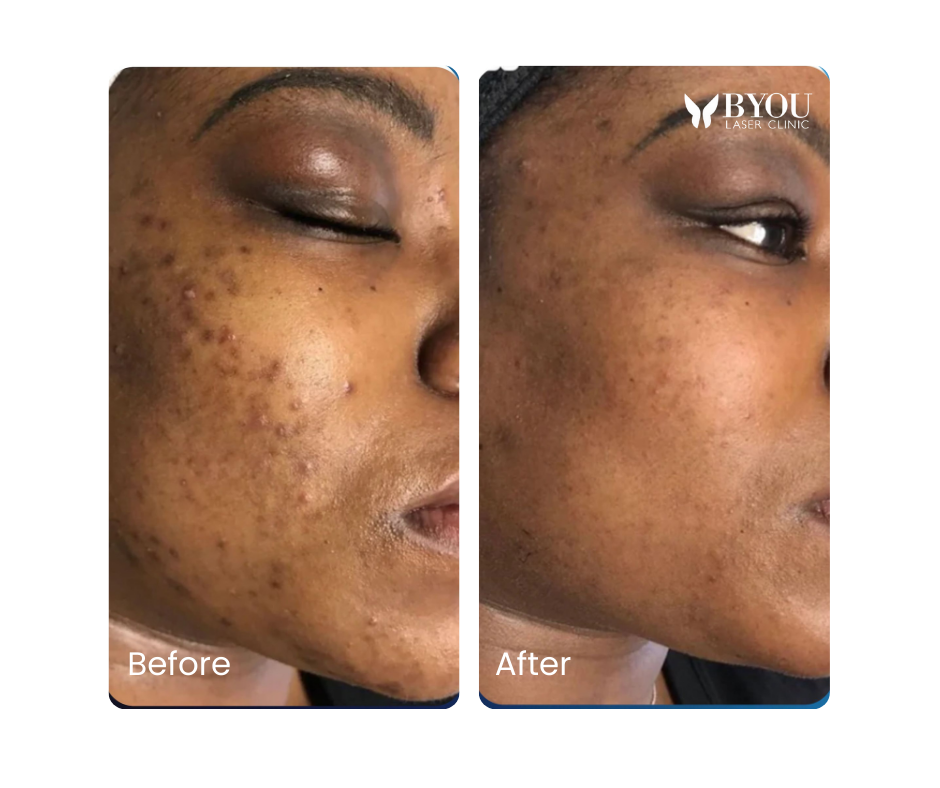
That said, expectations should remain realistic. RF microneedling improves and tightens, it does not dramatically lift loose skin the way surgery would.
How Many Sessions Are Needed?
Most people require 1–3 sessions, depending on their goals and skin condition. For acne scars or more significant laxity, additional treatments may be recommended.
Sessions are typically spaced about 4–6 weeks apart.
Because results build over time, patience is part of the process.
What Does RF Microneedling Feel Like?
RF microneedling is more intense than traditional microneedling. A topical numbing cream is applied beforehand to increase comfort.
Most clients describe the sensation as:
- Warm pressure
- Mild snapping or heat
- Brief discomfort in thinner areas
Downtime may include redness, swelling, and temporary grid-like marks for several days.
Compared to surgery, recovery is minimal, but it’s not a zero-downtime treatment.
How Much Does RF Microneedling Cost?
Cost varies depending on:
- Treatment area
- Number of sessions
- Technology used
- Provider expertise
Because RF microneedling is a higher-level collagen remodeling treatment, it generally costs more than traditional microneedling.
The real question isn’t just price — it’s whether the results justify the investment for your specific goals.
When RF Microneedling Is Worth It
RF microneedling is often worth it if you:
- Want noticeable tightening without surgery
- Have early to moderate skin laxity
- Want collagen stimulation at deeper levels
- Prefer natural-looking results
- Are willing to wait for gradual improvement
It’s especially valuable for clients in their 30s to 50s who want preventative tightening or mild correction.

When It Might Not Be Worth It
RF microneedling may not be the best choice if:
- You expect dramatic lifting similar to a facelift
- You want immediate, dramatic changes
- You are unwilling to complete a full treatment series
- Your skin laxity is severe
In those cases, surgical options may be more appropriate.
Honest consultations are critical for determining suitability.
RF Microneedling vs Traditional Microneedling
Traditional microneedling improves surface texture and mild scarring. RF microneedling penetrates deeper and adds thermal energy, which increases tightening and collagen remodeling.
In short:
- Traditional microneedling = texture improvement
- RF microneedling = texture + tightening
If laxity is part of your concern, RF may be the better investment.
RF Microneedling vs Injectables
Injectables like fillers and neuromodulators address volume and muscle movement. RF microneedling improves skin quality and firmness.
They serve different purposes and are often combined for comprehensive rejuvenation.
Is RF Microneedling Safe?
When performed by trained professionals using medical-grade equipment, RF microneedling is considered safe for a wide range of skin tones.
Safety depends on:
- Proper device selection
- Customized energy settings
- Provider experience
- Post-treatment care
Choosing an experienced clinic significantly reduces risks.
The Honest Verdict
So, is RF microneedling worth it?
For the right candidate, yes. It offers meaningful tightening and skin improvement without surgery, long downtime, or drastic alterations. It’s not magic, but it is powerful when expectations are realistic.
The key is understanding what it can and cannot do.
If your goal is gradual, natural-looking improvement in firmness and texture, RF microneedling can absolutely be worth the investment.
If you’re expecting dramatic surgical-level lifting, it may not meet your expectations.
Final Thoughts
RF microneedling is one of the most advanced non-surgical tightening treatments available today. When paired with proper consultation and realistic goals, it can deliver noticeable improvement in skin tone, texture, and firmness.
The best way to determine whether it’s worth it for you is through a personalized consultation that evaluates your skin and goals honestly.